
January 7, 2026
object
Tangible
Blue Objects
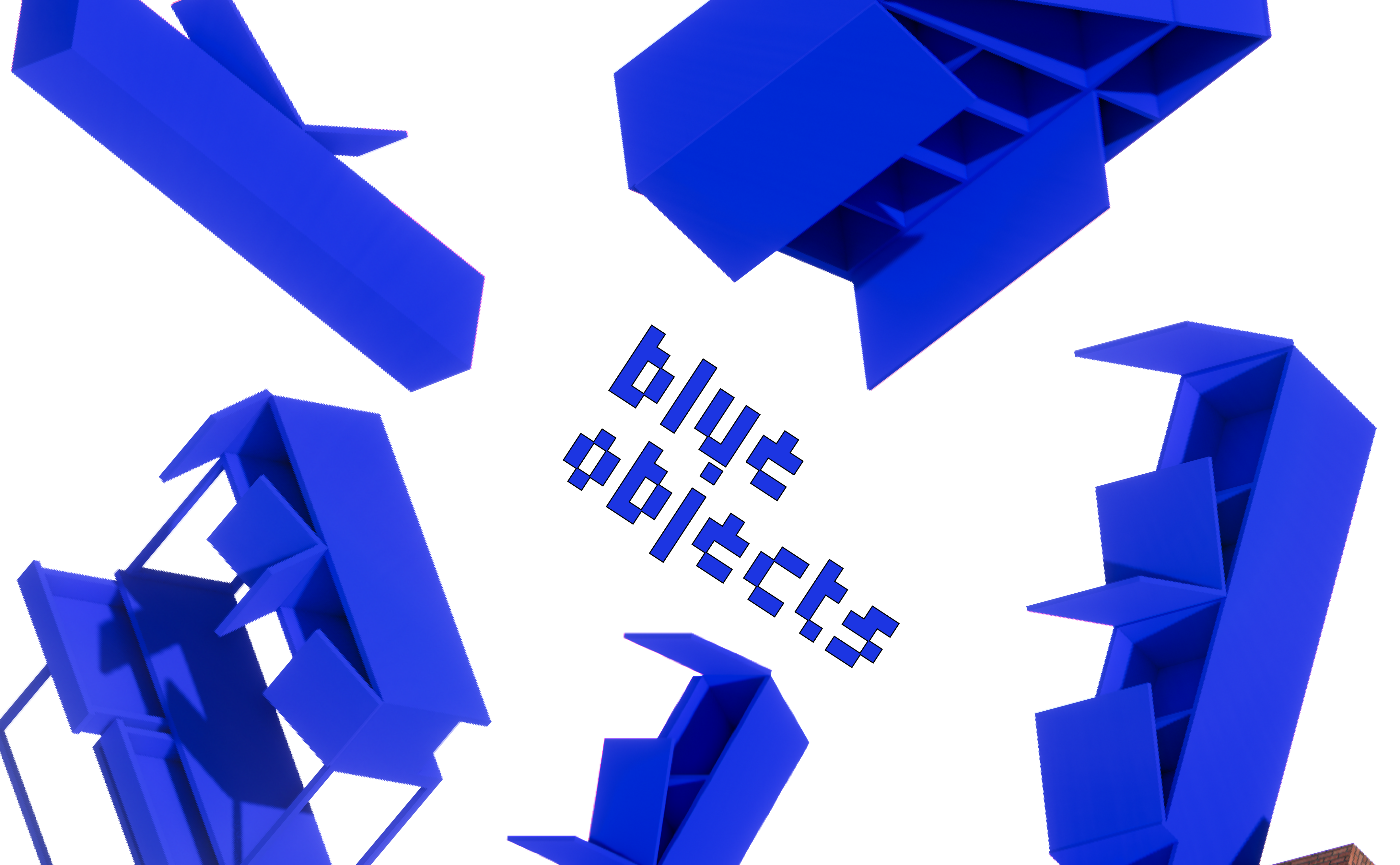
A set of plywood-and-metal objects built from obsessions with alignment, superfurniture, and room-scale urbanism, designed while thinking through brutalist atmosphere, domestic density, and the idea that furniture can behave like miniature city planning.
Superfurniture as room-scale urbanism
Project Stats
Medium: Plywood + metal
Dimensions: Varies
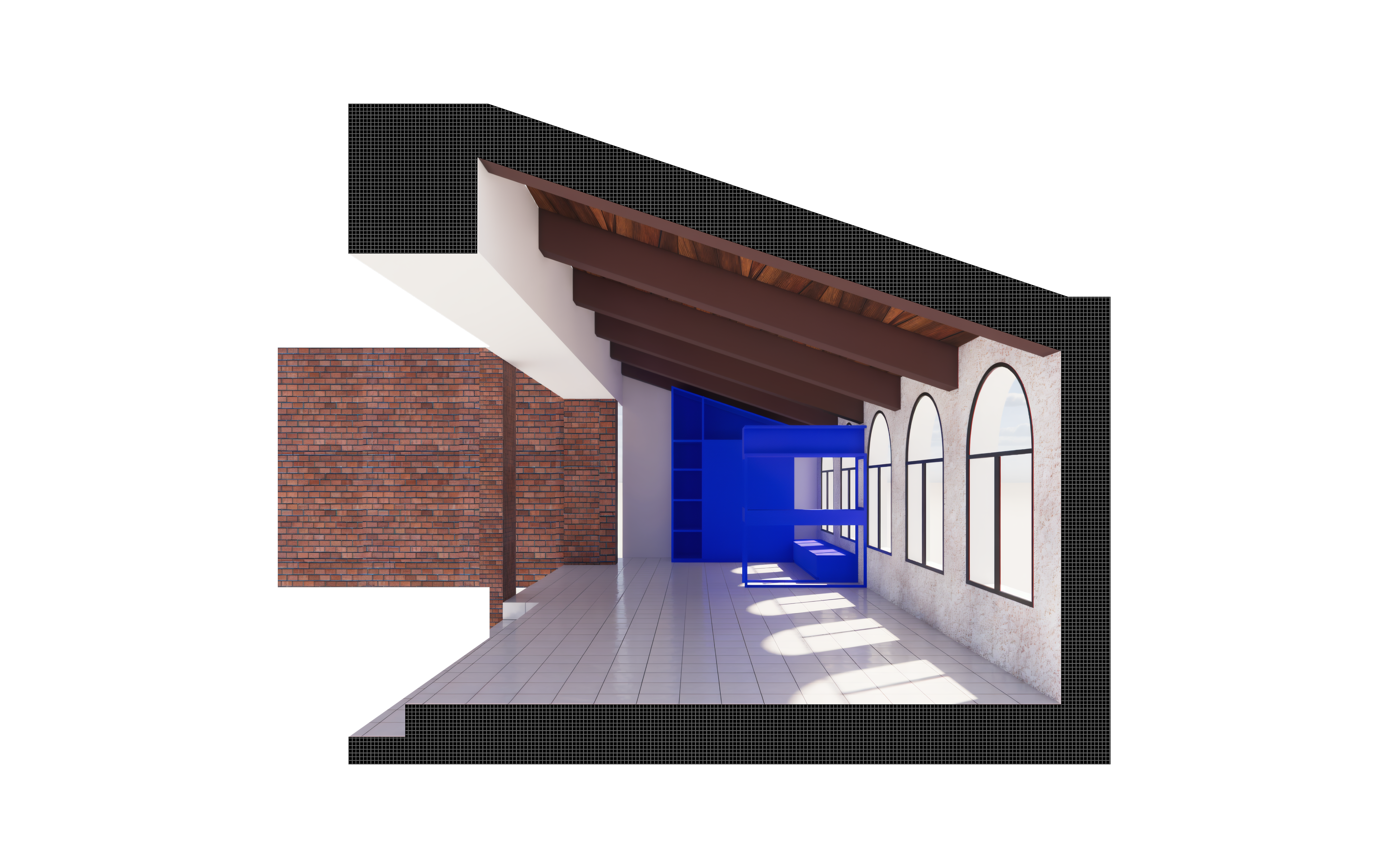
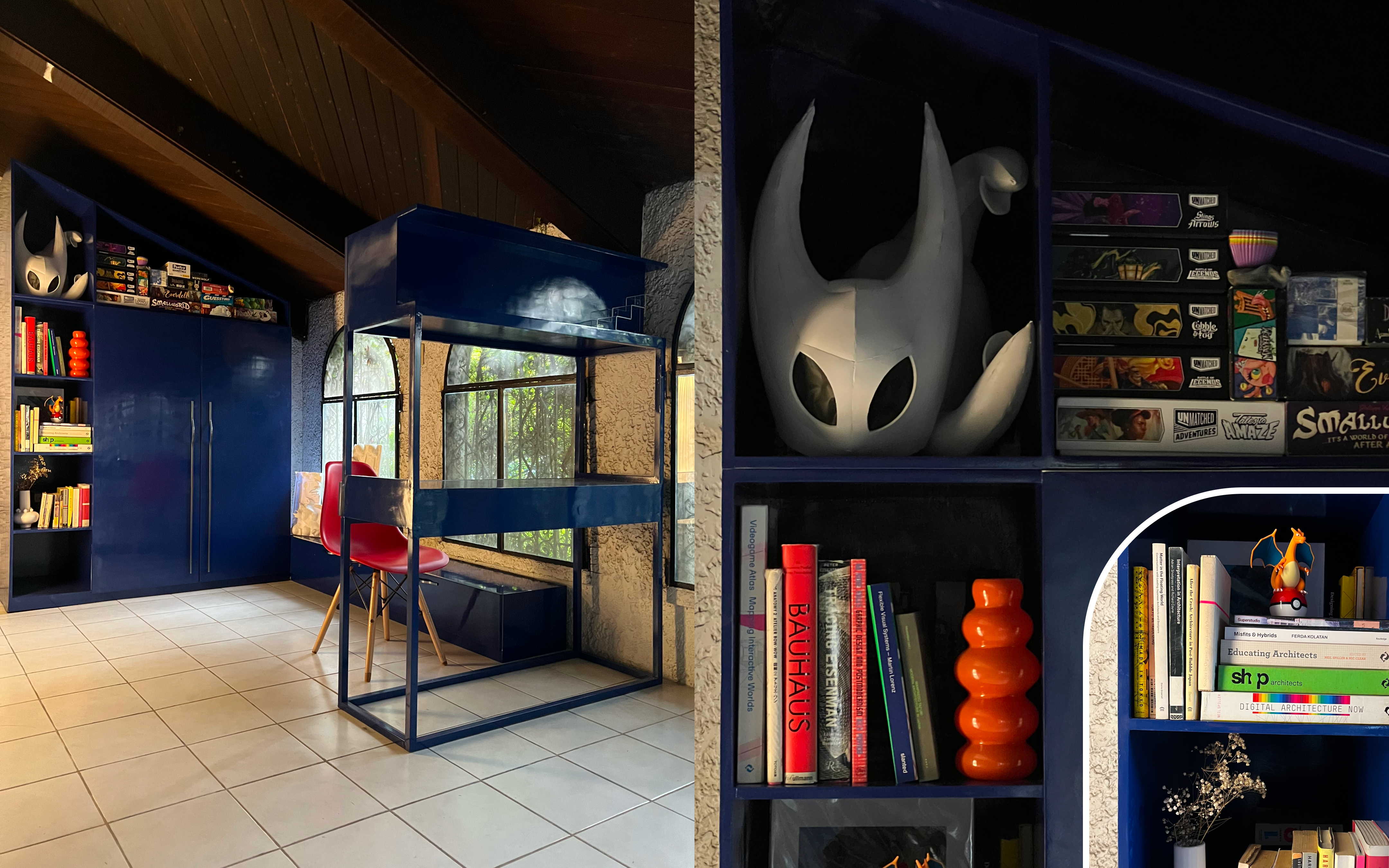
These objects begin as a simple desire: give books a house. But the design language quickly expands into alignment studies, edges that want to meet, planes that want to police a room, hardware that reads like infrastructure. The blue becomes a discipline: a consistent chromatic decision that makes proportion, junction, and silhouette do the expressive work.
The pieces flirt with superfurniture, the moment when furniture stops being subordinate and starts behaving like architecture. Each object proposes a small urbanism: circulation paths for hands, storage as zoning, alignment as law. The result is domestic but not cozy: artifacts that treat the room like a site plan.
Domestic infrastructure
Blue Objects positions furniture as governance. It suggests that even in a small apartment, space is regulated by edges, clearances, and alignment decisions that resemble planning. The work embraces that pressure rather than hiding it, turning it into aesthetic clarity. The blue acts like a zoning color, separating object from background, making the geometry readable. What looks simple is actually strict: a set of small systems designed to hold weight, direct behavior, and claim territory inside the room, quietly but decisively.




January 7, 2026
object
Tangible
Blue Objects
A set of plywood-and-metal objects built from obsessions with alignment, superfurniture, and room-scale urbanism, designed while thinking through brutalist atmosphere, domestic density, and the idea that furniture can behave like miniature city planning.
Superfurniture as room-scale urbanism
Project Stats
Medium: Plywood + metal
Dimensions: Varies
These objects begin as a simple desire: give books a house. But the design language quickly expands into alignment studies, edges that want to meet, planes that want to police a room, hardware that reads like infrastructure. The blue becomes a discipline: a consistent chromatic decision that makes proportion, junction, and silhouette do the expressive work.
The pieces flirt with superfurniture, the moment when furniture stops being subordinate and starts behaving like architecture. Each object proposes a small urbanism: circulation paths for hands, storage as zoning, alignment as law. The result is domestic but not cozy: artifacts that treat the room like a site plan.
Domestic infrastructure
Blue Objects positions furniture as governance. It suggests that even in a small apartment, space is regulated by edges, clearances, and alignment decisions that resemble planning. The work embraces that pressure rather than hiding it, turning it into aesthetic clarity. The blue acts like a zoning color, separating object from background, making the geometry readable. What looks simple is actually strict: a set of small systems designed to hold weight, direct behavior, and claim territory inside the room, quietly but decisively.